
Anti-Inflammatory Foods for Joint Pain: 12 Best Picks (2026)
Stiff knees on the stairs, aching fingers on a cold morning, a lower back that complains after a long day: joint pain is one of the most common reasons adults see a doctor, and many people quietly wonder whether what is on their plate is making it better or worse. The honest answer is that anti-inflammatory foods for joint pain will not cure arthritis, but a steady, well-chosen eating pattern can help lower the background inflammation that makes joints feel stiff and sore.
Quick answer: the best anti-inflammatory foods for joint pain are oily fish, extra virgin olive oil, walnuts and other nuts, seeds such as chia and pumpkin, leafy greens, berries and pomegranate, beans and lentils, garlic and onions, ginger, and turmeric eaten with black pepper. They work as part of a Mediterranean-style pattern repeated for weeks, not as single “painkiller” foods.
Most lists online simply name a few superfoods and move on. This guide on anti-inflammatory foods for joint pain does more. It grades the strength of the evidence behind every food, uses ingredients you can actually buy and cook in Pakistan, flags drug interactions that rarely get mentioned, and tells you plainly where popular claims go further than the science.
Important: This article is for education only. It is not medical advice and does not replace a consultation with a doctor, especially if you have a diagnosed condition such as rheumatoid arthritis or gout.
Key Takeaways
- Food is a helpful support for joint comfort, but it does not replace medical treatment, exercise or weight management.
- Anti-inflammatory foods for joint pain work best as a pattern: fish, olive oil, nuts, seeds, vegetables, fruit, beans and spices eaten regularly for at least 8 to 12 weeks.
- Turmeric has the most interesting joint research, but the studies used concentrated curcumin extracts, not the pinch of haldi in a daily curry.
- Reducing sugary drinks, refined flour, deep-fried snacks and processed meat matters as much as adding “good” foods.
- Several of these foods and supplements interact with blood thinners, diabetes medicine and other prescriptions, so tell your doctor what you are taking.
- Sudden, hot, swollen or severely painful joints need medical attention, not a diet change.
What Is Inflammation, and Why Do Joints Hurt?
Inflammation is your body’s repair system. When you twist an ankle or catch an infection, the immune system sends blood, white cells and chemical messengers to the area. That produces the heat, swelling and tenderness you can feel, and in the short term it is helpful.
Trouble starts when the response stays switched on at a low level for months or years. Persistent inflammation can irritate the lining of the joint, wear on cartilage and leave muscles and tendons sore. Not all joint pain is the same, though, and the role of food differs between conditions:
- Osteoarthritis (OA). Often called wear-and-tear arthritis, it is the most common type and usually affects knees, hips, hands and spine. Low-grade inflammation, body weight and activity all play a part.
- Rheumatoid arthritis (RA). An autoimmune condition in which the immune system attacks the joint lining. It needs medical treatment, and diet is a supporting tool only.
- Gout. Caused by uric acid crystals, typically starting in the big toe with sudden, intense pain. Diet matters here, but in a different way, which we cover below.
- Muscle and tendon strain. Overuse, poor posture and low activity can produce aches that feel like joint pain.
Because the causes differ, the first step is to know what you are dealing with. Choosing anti-inflammatory foods for joint pain will not replace a proper diagnosis.
Can Food Really Reduce Joint Pain? What the Research Says
Food cannot switch off arthritis, but the research points in a consistent direction. People who follow a Mediterranean-style way of eating, rich in vegetables, fruit, nuts, seeds, beans, fish and olive oil, tend to have lower markers of inflammation. Arthritis charities and rheumatology groups commonly recommend this pattern as a sensible base. You can see the general guidance on the Arthritis Foundation website.
The strongest single-ingredient evidence comes from two places:
- Omega-3 fats from fish. Trials in rheumatoid arthritis show modest improvements in joint tenderness and morning stiffness. Intake guidance is summarised by the NIH Office of Dietary Supplements.
- Curcumin, the active compound in turmeric. A systematic review of randomized trials in arthritis found that turmeric extracts reduced pain scores compared with placebo, and that pain relief was not significantly different from pain medicine in the pooled studies, at roughly 1,000 mg of curcumin a day. The authors still called for larger, better trials. You can read the meta-analysis on PubMed. A separate 8-week trial of 101 adults with knee osteoarthritis found that a standardized curcumin extract reduced knee pain more than placebo and that more people on curcumin cut back their pain medicine. That study is also on PubMed.
Two cautions keep expectations realistic. First, most food studies are short and small, and many rely on how people feel rather than on scans. Second, for osteoarthritis, regular exercise and keeping a healthy weight have stronger evidence than any single food or supplement. Think of anti-inflammatory foods for joint pain as one important member of the team, not the whole team.
Anti-inflammatory foods for joint pain also take patience. Most trials measured results after 8 to 12 weeks, so do not judge a food after a few days.
12 Best Anti-Inflammatory Foods for Joint Pain, Ranked by Evidence
Each of these anti-inflammatory foods for joint pain is graded in plain language: Moderate means human studies show a benefit, Limited means small or mixed studies, and Emerging means promising but early, or based mainly on laboratory and observational work. Where a food has a Pakistani name or an easy local version, it is included. Use the list as a menu of anti-inflammatory foods for joint pain to mix and match, not a checklist to finish in a day.
1. Oily Fish (Machli): The Best-Studied Choice
Evidence: Moderate. Sardines, mackerel, trout and salmon are the richest dietary sources of EPA and DHA, the omega-3 fats that help the body produce molecules that settle inflammation. In people with rheumatoid arthritis, regular omega-3 intake has been linked with less joint tenderness and shorter morning stiffness.
The usual advice is two servings of oily fish a week, which makes fish one of the most reliable anti-inflammatory foods for joint pain. Tinned sardines are an affordable option in Pakistan, and trout from the northern areas is a good fresh choice. Bake, grill or steam rather than deep-frying, which adds exactly the kind of oil you are trying to avoid.
How to eat it: a sardine or mackerel masala cooked with tomato, garlic and a little olive oil, or grilled trout with lemon and a green salad.
Watch out for: fish is moderately high in purines, so people with gout should ask their doctor how much suits them. Large predator fish can contain more mercury, so rotate smaller oily fish. High-dose fish oil capsules can affect bleeding, so talk to your doctor if you take blood thinners.
2. Extra Virgin Olive Oil (Zaitoon Ka Tel)
Evidence: Moderate (as part of a Mediterranean pattern). Extra virgin olive oil contains polyphenols and a compound called oleocanthal, which in laboratory studies blocks some of the same inflammatory enzymes as ibuprofen. The amount in a normal serving is far smaller than a medicine dose, so olive oil is best seen as a long-term habit, not a quick fix. Its real power is replacing less healthy fats day after day, which is why olive oil earns a place among everyday anti-inflammatory foods for joint pain.
How to eat it: drizzle it raw over salads, daal, chana chaat or grilled vegetables, and use it for gentle sauteing. Avoid heating it to smoking point again and again. If you want to try a quality bottle, see our extra virgin olive oil, and our Urdu guide to the benefits of olive oil explains more.
Watch out for: olive oil is calorie dense, so measure it if you are trying to lose weight. Extra weight puts more load on knees and hips, which can cancel out the benefit.
3. Walnuts (Akhrot) and Almonds (Badam)
Evidence: Moderate for inflammatory markers. Walnuts are one of the few nuts rich in alpha-linolenic acid (ALA), a plant omega-3. Studies of people who eat nuts regularly link them with lower levels of inflammation markers such as C-reactive protein. Almonds add vitamin E and magnesium, which support muscle and nerve function. Together they make easy, portable anti-inflammatory foods for joint pain.
How to eat them: a small handful, about 30 grams, daily. Crush walnuts over daliya, oats or yogurt. Soak almonds overnight if you find them easier to digest. Browse our dry fruits collection or try our American almonds.
Watch out for: nuts are energy dense, so a handful means a handful, not the whole packet. Anyone with a nut allergy should avoid them.
4. Turmeric (Haldi) With Black Pepper
Evidence: Moderate for standardized curcumin extracts in knee osteoarthritis; Limited for kitchen turmeric. This is the most misunderstood food on the list. The research above used concentrated curcumin, often around 1,000 mg a day. Ground turmeric contains only a few percent curcumin by weight, so a pinch in your sabzi supplies a tiny fraction of that. Cooking with haldi is still healthy and enjoyable, but do not expect it to behave like the trial doses. Among anti-inflammatory foods for joint pain, turmeric is the one where the label matters most.
Curcumin is poorly absorbed on its own. Black pepper contains piperine, which markedly improves absorption, and a little fat helps too. That is why traditional haldi doodh, made with a pinch of pepper, makes sense.
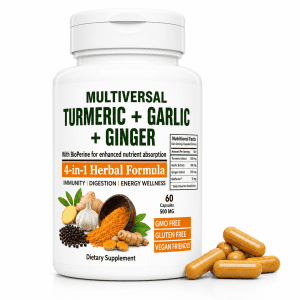
How to eat it: add turmeric and a pinch of black pepper to daal and curries, or make warm turmeric milk at night. If you prefer a capsule, read the label for curcuminoid content per capsule, because that number matters more than the word “turmeric.” Our turmeric and ginger capsules with black pepper are one option to review.
Watch out for: turmeric supplements can interact with blood thinners and diabetes medicine, may worsen gallbladder problems, and have been linked in rare cases to liver injury. Check with your doctor before taking concentrated doses.
5. Ginger (Adrak)
Evidence: Limited to Moderate. Ginger contains gingerols and shogaols, compounds with anti-inflammatory and pain-modulating effects in laboratory work. Small clinical trials suggest ginger may modestly reduce pain in osteoarthritis and ease exercise-related muscle soreness, although results differ from study to study and many used concentrated extracts.
How to eat it: grate fresh ginger into tea, soup, stir-fries and marinades. A cup of adrak chai without much sugar is a very Pakistani way to do it, and it is one of the simplest anti-inflammatory foods for joint pain to add to a daily routine. Ginger is also part of the capsule mentioned above.
Watch out for: large amounts can cause heartburn and may add to the effect of blood thinners.
6. Garlic (Lehsan) and Onions (Pyaz)
Evidence: Emerging. Garlic and onions contain sulfur compounds, including allicin, that show anti-inflammatory and antioxidant activity in laboratory studies. An observational study of female twins in the United Kingdom found that those who ate more allium vegetables had fewer signs of early hip osteoarthritis on imaging. That cannot prove cause and effect, but it fits with the wider picture.
How to eat it: crush fresh garlic and leave it for about ten minutes before cooking, which lets allicin form. Use garlic and onion generously in daal, chutneys, salad dressings and marinades. This is one of the easiest, cheapest anti-inflammatory foods for joint pain on the list.
Watch out for: raw garlic can irritate the stomach and worsen acid reflux in some people. Garlic supplements may increase bleeding risk with blood thinners.
7. Leafy Greens (Saag, Palak, Methi, Sarson) and Moringa
Evidence: Limited (indirect). Spinach, fenugreek leaves, mustard greens and kale supply vitamin K, magnesium, calcium and a range of polyphenols. Vitamin K supports bone health, and diets rich in vegetables are consistently linked with lower inflammation. There is no trial showing that saag by itself eases joint pain, so treat greens as a foundation rather than a treatment. Many experts still count them among the core anti-inflammatory foods for joint pain because of the overall pattern they support.
Moringa leaf is a popular traditional addition. Most research on its anti-inflammatory effects comes from laboratory and animal studies, so it is a nutritious supporting food, not a proven remedy. Our Urdu article on the benefits of moringa covers how it is used.
How to eat them: a cup of cooked greens daily, such as sarson ka saag in winter, palak daal or methi with potatoes. Light cooking keeps more nutrients than long boiling.
Watch out for: greens are rich in vitamin K, which affects the blood thinner warfarin, so keep your intake steady if you take it. Spinach is also high in oxalates, which matters for people prone to kidney stones.
8. Berries, Pomegranate (Anar) and Citrus
Evidence: Emerging to Limited. Berries, pomegranate and cherries are rich in anthocyanins and other polyphenols, the pigments that give them their deep colour and antioxidant power. Research on tart cherry juice suggests it can reduce muscle soreness after hard exercise, and observational work links cherry intake with fewer gout flares. Evidence for chronic joint pain itself is still early.
Pakistan has an advantage here, because pomegranate, citrus and many fruits are seasonal, affordable and delicious. Seasonal fruit is one of the most affordable anti-inflammatory foods for joint pain in the country. Vitamin C from citrus also supports collagen, the protein in cartilage and tendons.
How to eat them: a bowl of fruit with breakfast or as an afternoon snack. Choose whole fruit rather than packaged juice, which concentrates sugar and removes fibre.
Watch out for: people with diabetes should watch portions and pair fruit with protein or nuts to blunt blood sugar spikes.
9. Beans, Chickpeas and Lentils (Chana, Lobia, Rajma, Masoor)
Evidence: Limited (indirect, but practical). Pulses are the backbone of Pakistani home cooking, and that is good news. Daal and chana are everyday anti-inflammatory foods for joint pain that most families already cook. They supply fibre, plant protein, magnesium, folate and polyphenols. Higher-fibre diets are associated with lower levels of C-reactive protein, a common inflammation marker. Arthritis groups often recommend including beans regularly as part of an anti-inflammatory pattern.
Pulses also replace red meat and processed meat in meals, which is a quiet but real benefit. Plant purines in beans and lentils have not been linked to gout attacks in the way purines from meat and seafood have.
How to eat them: daal several times a week, chana chaat, rajma or lobia with brown rice, or roasted chana as a snack instead of fried namkeen.
Watch out for: soak dried beans and cook them thoroughly to limit bloating. Introduce them gradually if you are not used to a high-fibre diet.
10. Seeds: Chia, Flax and Pumpkin (Kaddu Ke Beej)
Evidence: Limited to Emerging. Chia and flax seeds provide ALA, the plant omega-3. Pumpkin seeds are a good source of magnesium and zinc, minerals involved in muscle contraction, relaxation and tissue repair. Low magnesium intake is common, and a true deficiency can contribute to cramps. Extra magnesium will not fix aches in people who are not deficient, so the goal is simply to eat enough from food. Seeds are small but practical anti-inflammatory foods for joint pain.
How to eat them: soak one to two tablespoons of chia in water, milk or yogurt for a few hours until they swell, grind flax just before use, and sprinkle pumpkin seeds over salads, oats or raita. You can find chia seeds and pumpkin seeds in our store, or explore the wider superfoods collection.
Watch out for: never eat dry chia in large amounts without liquid, as it absorbs water and expands. The body converts plant ALA to EPA and DHA only in small amounts, so seeds complement fish rather than replace it.
11. Green Tea (Sabz Chai)
Evidence: Emerging. Green tea contains EGCG, a polyphenol that has shown anti-inflammatory effects in cell and animal studies. Human evidence for joint pain is limited, so green tea is best viewed as a healthier replacement for sugary drinks and heavily sweetened chai, not a proven treatment. It is the weakest of the anti-inflammatory foods for joint pain on this list in terms of evidence.
How to eat it: one to three cups a day, brewed without sugar. Add a slice of ginger or a few mint leaves if you want flavour.
Watch out for: green tea contains caffeine, which can affect sleep, and poor sleep makes pain feel worse. Avoid it late in the evening, and drink it between meals if you have low iron, because tea can reduce iron absorption. Our guide to herbal remedies for sleep offers caffeine-free evening options.
12. Whole Grains and Millets (Atta, Jowar, Bajra, Oats)
Evidence: Limited (indirect). Swapping refined white flour for whole grains lowers the glycaemic load of your meals and increases fibre, which supports steadier blood sugar and gut health. Both are connected with lower inflammation. Pakistan’s traditional jowar and bajra rotis, whole-wheat chapatis and daliya fit this pattern naturally, which makes whole grains quiet but useful anti-inflammatory foods for joint pain.
How to eat them: whole-wheat or mixed-grain atta for roti, oats or daliya for breakfast, and brown rice in place of a large portion of white rice.
Watch out for: anyone with coeliac disease or gluten sensitivity should avoid wheat, barley and rye and choose gluten-free grains such as jowar, bajra and rice.

Bonus: Traditional Extras With Limited Human Evidence
Several kitchen staples are widely used for aches and are worth enjoying, but the research is thin, so please treat them as extras rather than remedies. Kalonji (nigella seeds) has been tested in small trials for rheumatoid arthritis. Amla is rich in vitamin C. Methi dana (fenugreek seeds) and ajwain are traditional digestive spices. None of these should replace prescribed medicine, and fenugreek can lower blood sugar, so diabetic readers should check with their doctor first.
Quick Comparison of Anti-Inflammatory Foods for Joint Pain
| Food | Evidence level | Best for | Easy serving | Watch out for |
|---|---|---|---|---|
| Oily fish | Moderate | Inflammatory joint pain | 2 servings a week | Gout, mercury, blood thinners |
| Extra virgin olive oil | Moderate | Everyday pattern | 2 to 3 tablespoons a day | Calories |
| Walnuts and almonds | Moderate | Inflammation markers | Small handful (30 g) | Allergy, calories |
| Turmeric with pepper | Moderate (extracts) | Knee osteoarthritis | Cooking use or labelled capsule | Blood thinners, gallbladder, liver |
| Ginger | Limited to Moderate | Soreness, stiffness | Tea or cooking daily | Heartburn, blood thinners |
| Garlic and onions | Emerging | Cartilage health (observational) | 1 to 2 cloves | Reflux |
| Leafy greens and moringa | Limited | Bone and muscle support | 1 cup cooked | Warfarin, oxalates |
| Berries, pomegranate, citrus | Emerging to Limited | Exercise recovery | 1 cup fruit | Sugar |
| Beans and lentils | Limited | Fibre, plant protein | Daal several times a week | Bloating |
| Chia, flax, pumpkin seeds | Limited to Emerging | Minerals, plant omega-3 | 1 to 2 tablespoons | Needs liquid |
| Green tea | Emerging | Swap for sugary drinks | 1 to 3 cups | Caffeine, iron |
| Whole grains and millets | Limited | Steady blood sugar | Roti, daliya, oats | Gluten if sensitive |
Foods That Can Cancel Out Anti-Inflammatory Foods for Joint Pain
Adding helpful foods works best when you also trim the ones that push inflammation the wrong way. You do not need to ban anything forever. Eating them less often and in smaller portions already helps.
- Sugary drinks and sweets. Cold drinks, packaged juices, sweetened sharbat, mithai and heavily sugared chai spike blood sugar and are linked with higher inflammatory markers.
- Refined flour. White bread, maida-based bakery items, naan and large portions of white rice.
- Deep-fried snacks. Samosas, pakoras and fried street food, especially when the oil has been reheated repeatedly.
- Processed meats. Sausages, nuggets, cold cuts and ready-made frozen snacks.
- Excess alcohol and smoking. Both increase oxidative stress and are linked with worse outcomes in arthritis.
- Very large portions in general. Extra body weight places added load on knees and hips, which is one of the strongest drivers of osteoarthritis pain.
A note on sweeteners: if you do sweeten tea or desserts, small amounts of natural honey can replace refined sugar, but honey is still a sugar. Our guide to the benefits of honey explains how to use it sensibly.
What about gout? Gout is driven by uric acid, and the foods that most often trigger attacks are organ meats such as kaleji and gurda, red meat, shellfish, sugary drinks, fructose-sweetened foods and alcohol. If you have gout, the general anti-inflammatory advice above still helps, but your doctor should guide your protein choices and medicine.
A Simple One-Day Meal Plan With Anti-Inflammatory Foods for Joint Pain
You do not need imported ingredients. This sample day builds anti-inflammatory foods for joint pain into familiar Pakistani meals and can be adjusted for your taste, budget and family routine.
- On waking: warm water with lemon, or a cup of adrak chai with very little sugar.
- Breakfast: daliya or oats cooked in milk or water, topped with crushed walnuts, a spoonful of chia and a handful of pomegranate seeds or berries.
- Mid-morning: an apple or orange and a few almonds.
- Lunch: masoor or moong daal cooked with garlic, onion and turmeric, with sauteed palak, a green salad dressed with olive oil and lemon, and one whole-wheat roti.
- Afternoon: green tea and a small bowl of roasted chana instead of namkeen.
- Dinner: baked or grilled sardines, mackerel or trout with seasonal sabzi. On non-fish days, choose chana or rajma with brown rice and a cucumber and mint raita.
- Before bed: a small cup of warm turmeric milk with a pinch of black pepper, if you tolerate milk well.
Vegetarian swap: replace the fish with a larger portion of walnuts, chia and flax, plus beans and lentils. Vegetarians who eat no fish at all can ask their doctor about algae-based omega-3 supplements, because plant ALA converts to EPA and DHA only in small amounts.
Lifestyle Habits That Make Anti-Inflammatory Foods for Joint Pain Work Better
Food is powerful, but it works best alongside habits that protect your joints. Even the best anti-inflammatory foods for joint pain cannot offset a completely sedentary routine. In osteoarthritis especially, these often matter as much as diet:
- Keep moving, gently. Walking, cycling, swimming, stretching and yoga keep joints lubricated and muscles strong. Aim for about 150 minutes of moderate activity a week unless your doctor advises otherwise. Rest is useful during flares, but long inactivity increases stiffness.
- Manage your weight. Every extra kilogram adds load to the knees and hips with each step, so even modest weight loss can ease knee pain. Fibre-rich foods such as pulses, vegetables and ispaghol help you feel full for longer.
- Protect your sleep. Poor sleep lowers your pain threshold and raises inflammatory markers. A consistent bedtime and a caffeine curfew help, and our guide to herbal remedies for sleep covers gentle options.
- Get some sunlight and check vitamin D. Low vitamin D is commonly reported in South Asia and is associated with bone and muscle aches. Ask your doctor about a blood test before supplementing, and see the NIH vitamin D fact sheet for background.
- Handle stress. Long-term stress keeps the body in an inflammatory state. Prayer, slow breathing, walking outdoors and time with family all help.
- Warm up and stretch. Five minutes before and after activity reduces strain on muscles and tendons.
Anti-Inflammatory Foods for Joint Pain or Supplements? What to Know Before You Buy
A healthy plate should always come first, because food delivers fibre, minerals and dozens of compounds that a capsule cannot match. Supplements can still have a place, particularly where studies used concentrated extracts, as with curcumin for knee osteoarthritis. If you decide to try one, keep these points in mind:
- Read the active ingredient. For turmeric, look for curcuminoid content per capsule and whether black pepper extract is included. The word “turmeric” alone does not tell you the dose.
- Start with one product at a time. Adding several at once makes it impossible to know what helps or what causes side effects.
- Check interactions. Turmeric, ginger, garlic and fish oil can affect bleeding and may interact with blood thinners, diabetes medicine and blood-pressure tablets.
- Give it time. Studies measured results over 8 to 12 weeks, not 8 to 12 days.
- Stop and see a doctor if you notice yellowing of the eyes or skin, dark urine, severe stomach pain or any allergic reaction.
Transparency note: we sell natural health products, so we have an interest in this topic. That is exactly why we have graded the evidence for these anti-inflammatory foods for joint pain honestly and said where it is weak. If you want to browse, start with our herbal supplements, shop by solution page or the full multiversal.pk store, and apply the checklist above to any product, ours or anyone else’s.
When Anti-Inflammatory Foods for Joint Pain Are Not Enough: See a Doctor
Dietary changes support medical care, they do not replace it. Anti-inflammatory foods for joint pain are a helper, never a substitute. Please see a doctor promptly if you have:
- sudden, severe or rapidly worsening joint pain;
- a joint that is hot, red and swollen, especially with fever, which can signal infection or a gout attack;
- morning stiffness lasting more than 30 minutes on most days;
- joint pain with unexplained weight loss, rash or extreme tiredness;
- pain that wakes you at night or does not improve after several weeks;
- numbness, tingling or weakness in an arm or leg;
- pain after an injury or fall.
A doctor can tell whether you have osteoarthritis, an inflammatory condition or gout, and can order tests such as uric acid, inflammation markers and vitamin D. Early treatment of inflammatory arthritis protects joints in a way no diet can.
جوڑوں کے درد میں کیا کھانا چاہیے؟ | Anti-Inflammatory Foods for Joint Pain in Urdu
جوڑوں کے درد میں قدرتی غذائیں مددگار ہو سکتی ہیں، لیکن یہ علاج کا متبادل نہیں۔ روزانہ کے کھانے میں مچھلی (سردینز، ٹرائٹ)، زیتون کا تیل، اخروٹ، بادام، چیا سیڈز، کدو کے بیج، سبز پتے والی سبزیاں، انار، دالیں، چنے، لہسن، ادرک اور ہلدی (کالی مرچ کے ساتھ) شامل کریں۔
دوسری طرف میٹھے مشروبات، میدے سے بنی چیزیں، تلی ہوئی اشیاء اور پروسیسڈ گوشت کم کریں۔ گٹھیا کے مریض کلیجی اور سرخ گوشت سے احتیاط کریں۔ وزن کنٹرول رکھیں، روزانہ ہلکی ورزش کریں اور وٹامن ڈی کی جانچ کروائیں۔ اگر درد شدید ہو، جوڑ سوج اور گرم ہو جائے، یا صبح کی اکڑاہٹ نصف گھنٹے سے زیادہ رہے تو فوراً ڈاکٹر سے رجوع کریں۔ حاملہ خواتین، خون پتلا کرنے کی دوا یا شوگر کی دوا لینے والے افراد کسی بھی سپلیمنٹ سے پہلے ڈاکٹر سے مشورہ ضرور کریں۔
Frequently Asked Questions About Anti-Inflammatory Foods for Joint Pain
What are the best anti-inflammatory foods for joint pain?
There is no single best food among anti-inflammatory foods for joint pain. Oily fish, extra virgin olive oil, nuts, vegetables, berries and pulses have the broadest support as part of a Mediterranean-style pattern, and turmeric has promising results when taken as a standardized curcumin extract. The biggest benefit comes from eating a variety of these foods consistently.
Is haldi doodh (turmeric milk) good for joint pain?
It is a comforting, low-risk habit, and adding black pepper improves curcumin absorption. However, the amount of curcumin in a cup of haldi doodh is far lower than the doses used in studies on knee osteoarthritis. Enjoy it as part of a healthy routine, but do not rely on it as treatment.
Which foods should I avoid if I have joint pain?
Limit sugary drinks, refined flour products, deep-fried snacks, processed meats and excess alcohol. If you have gout, also reduce organ meats, red meat, shellfish and fructose-sweetened foods, and follow your doctor’s advice.
Does desi ghee increase joint pain?
There is no solid evidence that ghee causes arthritis pain. It is a stable cooking fat, but it is high in saturated fat and calories, so use small amounts, and favour olive oil and nuts for most of your daily fats, particularly if you are managing weight or cholesterol.
Are tomatoes and brinjal (baingan) bad for arthritis?
For most people, no. Controlled studies have not shown that nightshade vegetables worsen arthritis, and they provide useful antioxidants. A few individuals feel sensitive to them. If you suspect this, try a short elimination trial and see whether your symptoms change.
How long do anti-inflammatory foods for joint pain take to work?
Some people notice better energy and stiffness within a few weeks, but many studies measure benefits after 8 to 12 weeks of consistent eating. Results vary with the cause of your pain, your weight, your activity and your medicines.
Can diet help with uric acid and gout?
Diet can support gout management by limiting purine-rich foods, sugary drinks and alcohol, staying hydrated and maintaining a healthy weight. However, gout usually needs medical treatment, and a doctor should test your uric acid and guide any medicine.
Can I take these foods along with my arthritis medicine?
Most whole foods are safe alongside medicine. Concentrated extracts and supplements are different, because turmeric, ginger, garlic and fish oil can affect bleeding and may interact with blood thinners, diabetes tablets and other prescriptions. Always tell your doctor about any supplement you use.
Final Thoughts on Anti-Inflammatory Foods for Joint Pain
Living with sore, stiff joints can shape your whole day, and it is natural to look for something you can control. Anti-inflammatory foods for joint pain give you exactly that: a practical, low-risk way to support your body every time you sit down to eat. They will not replace medicine, exercise or a proper diagnosis, but they can make a real difference to how you feel when combined with them.
Start small with anti-inflammatory foods for joint pain. Choose two or three foods from this list, such as a handful of walnuts, a daily bowl of daal with greens, and fish twice a week, and keep them going for a couple of months. Reduce sugary drinks and fried snacks at the same time. Consistency beats perfection every time.
Want to stock your kitchen with anti-inflammatory foods for joint pain? Explore our dry fruits, superfoods and natural oils and foods, or visit the multiversal.pk homepage to see everything we offer. And if this guide helped, share it with a family member who has been struggling with aching joints.
Medical disclaimer: This article is for informational purposes only and is not a substitute for professional medical advice, diagnosis or treatment. Food and herbal products are not intended to diagnose, treat, cure or prevent any disease. Always consult a qualified healthcare provider before changing your diet significantly or starting any supplement, especially if you are pregnant, breastfeeding, have a medical condition or take medicines.
References and Further Reading
- Daily JW et al. Efficacy of turmeric extracts and curcumin for alleviating the symptoms of joint arthritis: a systematic review and meta-analysis of randomized clinical trials. Journal of Medicinal Food, 2016. PubMed
- Randomised, double-blind, placebo-controlled study of a curcumin extract on knee osteoarthritis pain. Nutrients, 2021. PubMed
- NIH Office of Dietary Supplements. Omega-3 Fatty Acids: Fact Sheet for Health Professionals
- NIH Office of Dietary Supplements. Vitamin D: Fact Sheet for Health Professionals
- Arthritis Foundation: general guidance on diet and arthritis